

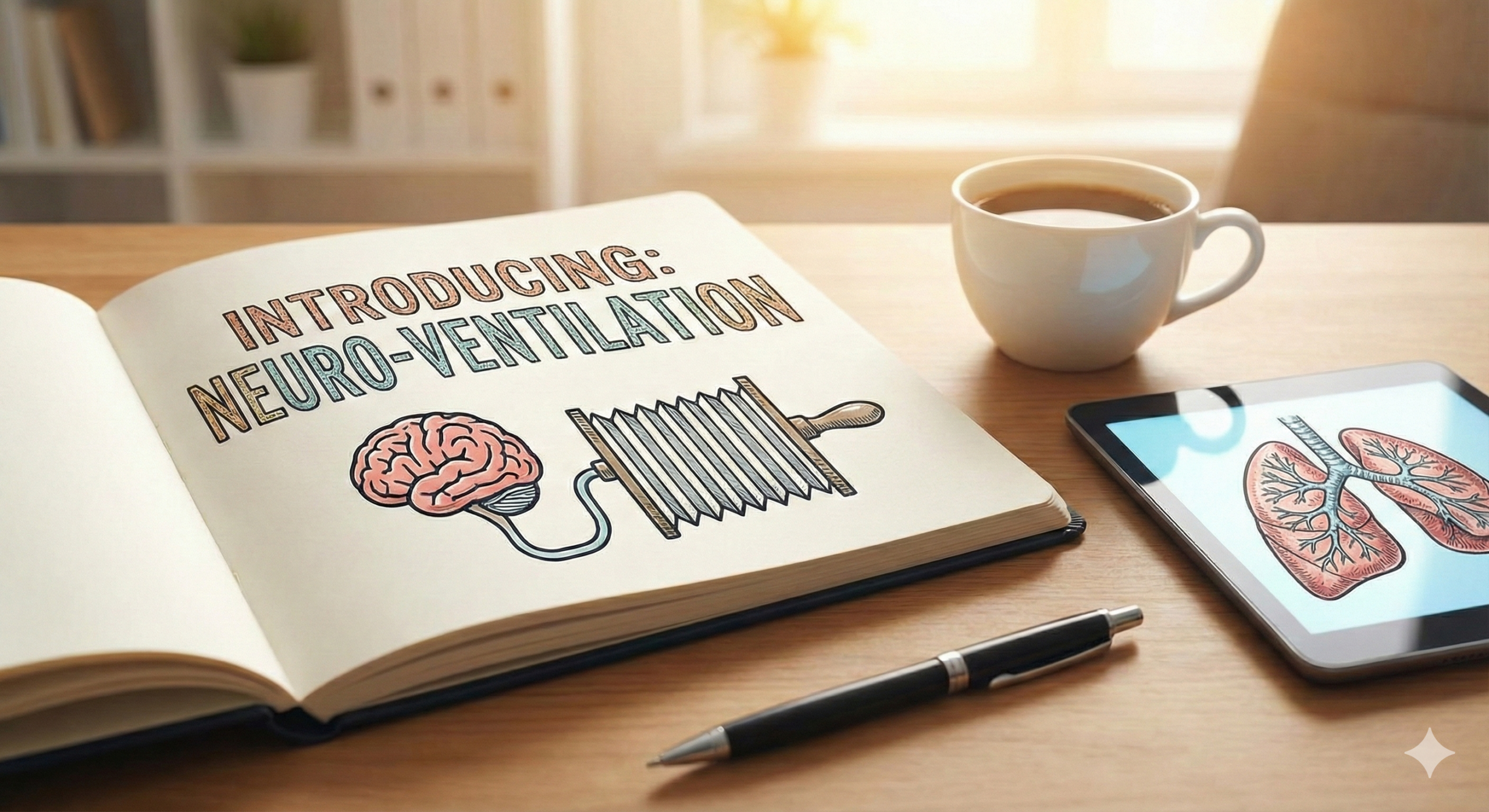
Welcome to one of the most challenging frontiers in critical care. Managing a patient with an acute brain injury on a mechanical ventilator is far more than just supporting their breathing. It’s a delicate balancing act where every adjustment can have profound consequences. Think of it like trying to tune a high-performance race car while it’s speeding down the track. The lungs are the engine, providing vital oxygen, but the brain is the driver. If you push the engine too hard, you risk damaging the driver, and if the driver loses control, the whole system can crash.
For decades, the relationship between the lungs and the brain was a source of conflict in the ICU. Strategies that protected the lungs often seemed to threaten the brain, and vice versa. This series will guide you through that complex relationship, transforming a source of conflict into a field of synergy. We’ll explore how the breath you deliver to save the lung doesn’t have to sacrifice the brain.
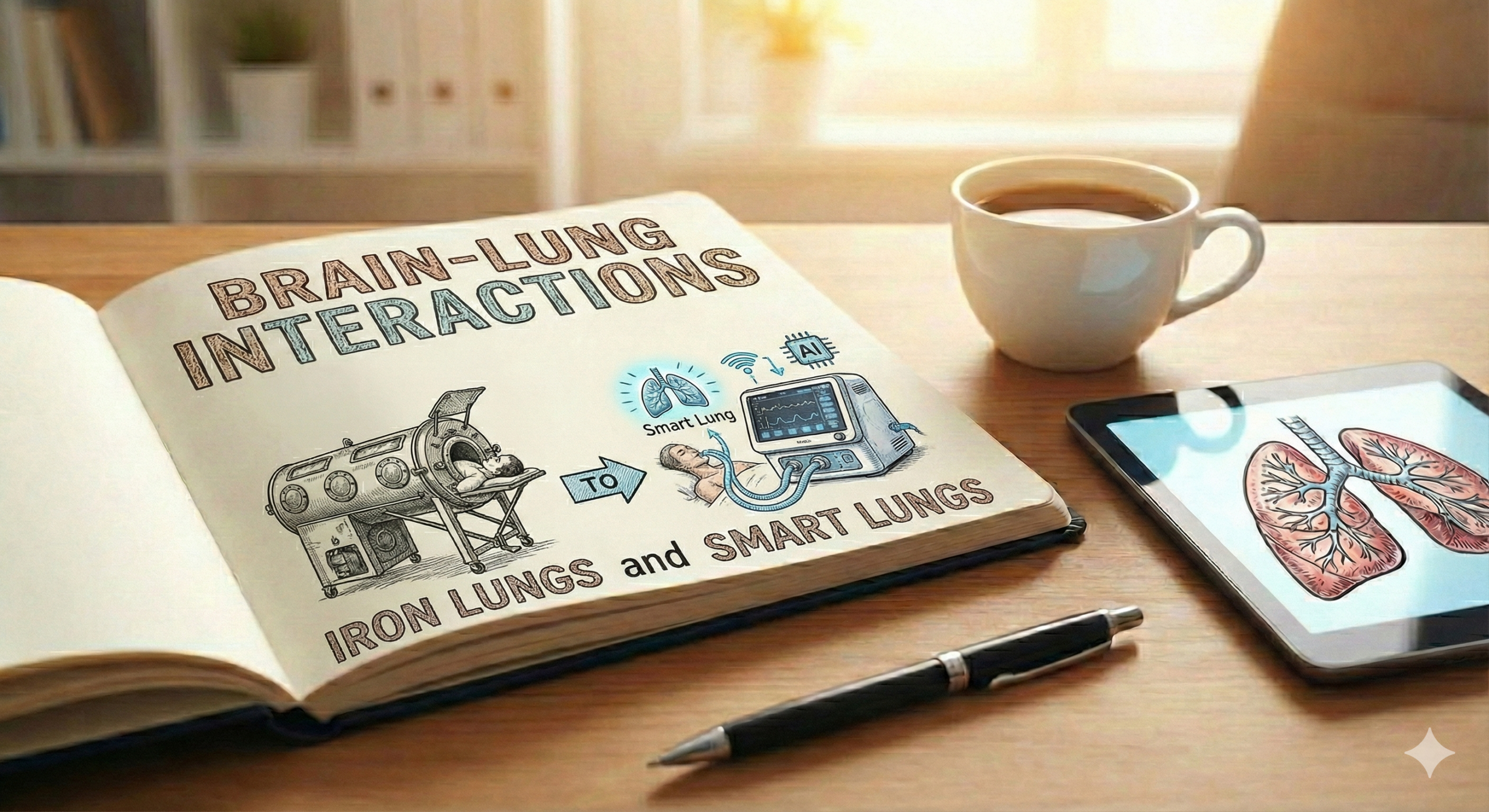
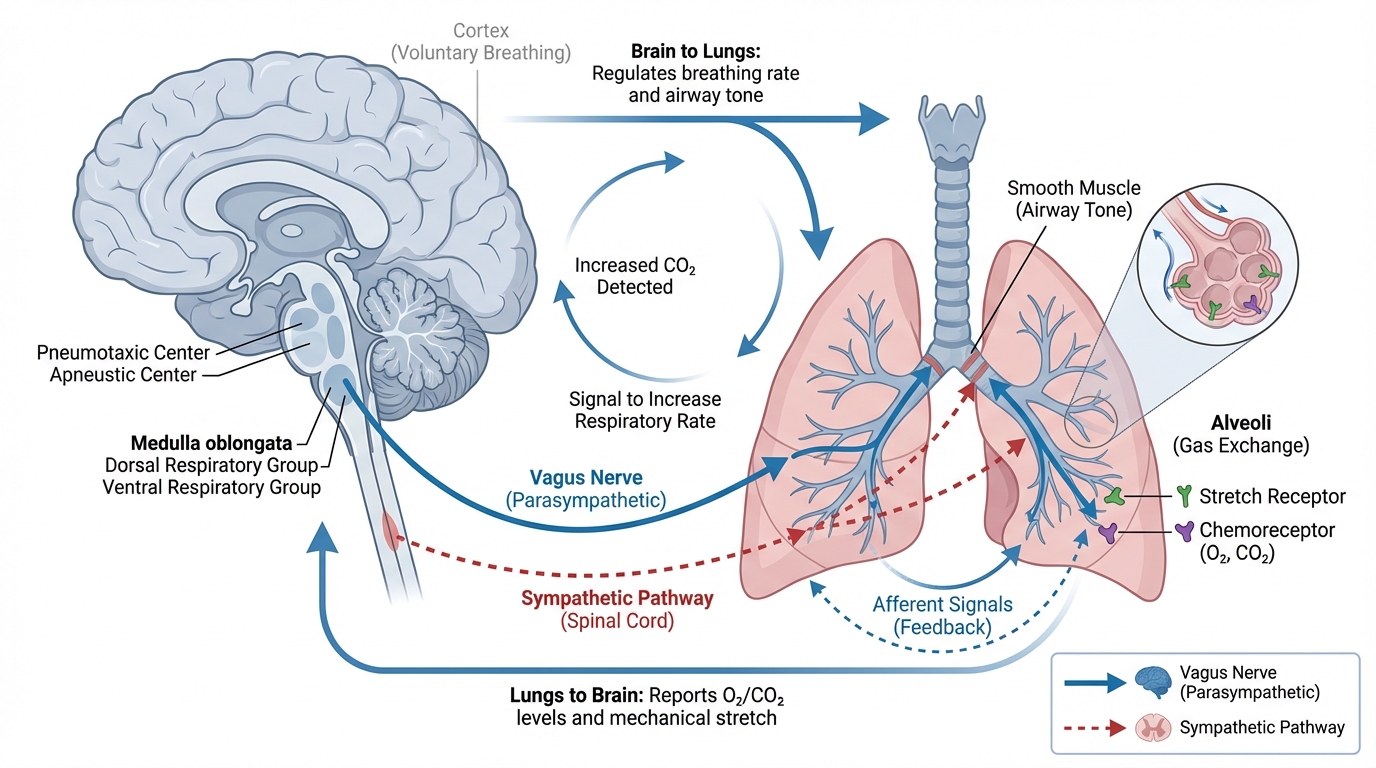
This series is your co-pilot on a journey through the intricate world of neuro-pulmonary critical care. We will start by looking back at the historical evolution of neuro-ventilation, from the early days of aggressive hyperventilation to the modern era of nuanced, individualized care. You’ll gain a solid understanding of the core physiology—how changes in carbon dioxide, oxygen, and pressure directly impact cerebral blood flow and intracranial pressure.
From there, we will dive into the practical application of these principles. We’ll break down specific ventilation strategies tailored to different types of brain injuries, including traumatic brain injury (TBI), subarachnoid hemorrhage (SAH), and ischemic stroke. You’ll learn how to navigate the “double hit” scenario, where a patient has both a severe brain injury and acute respiratory distress syndrome (ARDS), and how to make tough decisions with confidence.
Finally, we’ll look toward the future, exploring emerging technologies and the crucial role of the multidisciplinary team. From respiratory therapists and nurses to neurosurgeons and intensivists, successful patient outcomes depend on clear communication and a shared understanding of the goals. This series is designed to equip every member of that team with the knowledge and confidence to master the art and science of neuro-ventilation. Let’s get started.